Michael Probert
-
Betta Fish Care
Glass vs. Acrylic Aquariums: Which Is Right for You? (2026)
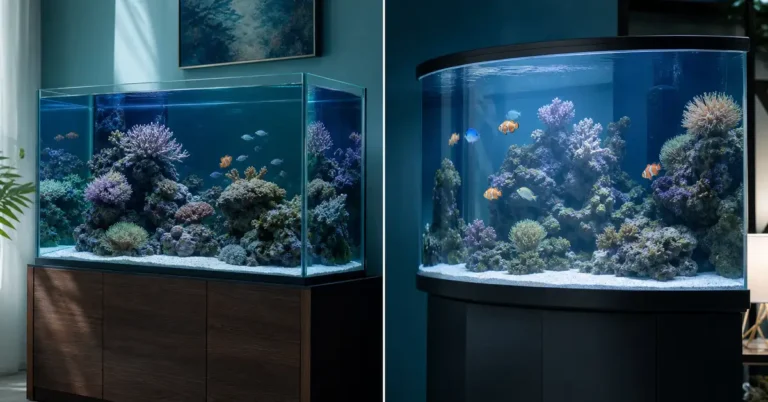
Short answer: glass is the pragmatic default for most beginners — cheaper, scratch-resistant, and won’t yellow with age — while acrylic earns its higher price for very large tanks, unusual shapes, or anywhere weight and impact resistance genuinely matter. Neither material is universally “better”; each is a different set of engineering trade-offs, and the right […]
-
Betta Fish Care
Best Aquarium Substrate (2026): Gravel, Sand & Planted Soil Compared
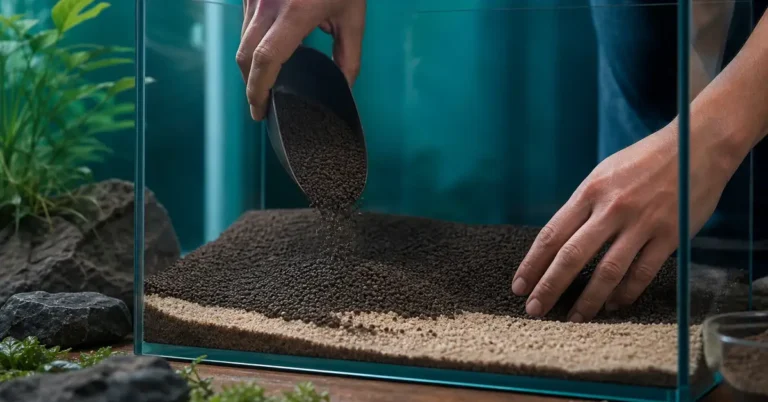
The right substrate depends entirely on what you’re keeping: inert gravel or sand for a standard community tank, nutrient-rich planted soil for a heavily-planted aquascape, fine soft sand for corydoras and other barbel-sensitive bottom-dwellers, or pH-buffering aragonite for African cichlids and livebearers that need harder, more alkaline water. We spec-verified 10 real substrates across all […]
-
Betta Fish Care
Best Nano & 5-Gallon Fish Tanks (2026): 10 Honest Picks
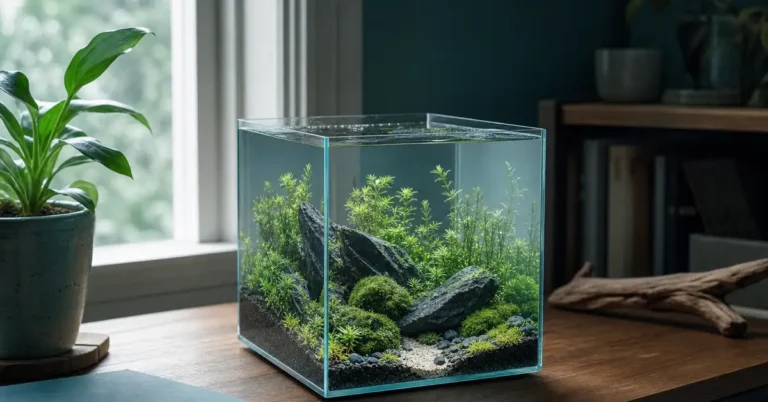
Nano tanks — roughly 1 to 10 gallons — are genuinely rewarding for a single betta, a shrimp colony, or a small planted aquascape, but they’re also less forgiving than a standard 10-gallon: less water means faster, more dangerous swings in ammonia and temperature when something goes wrong. We spec-verified 10 real nano and 5-gallon […]
-
Betta Fish Care
Best 10-Gallon Fish Tanks (2026): 9 Honest Picks, Tank Only
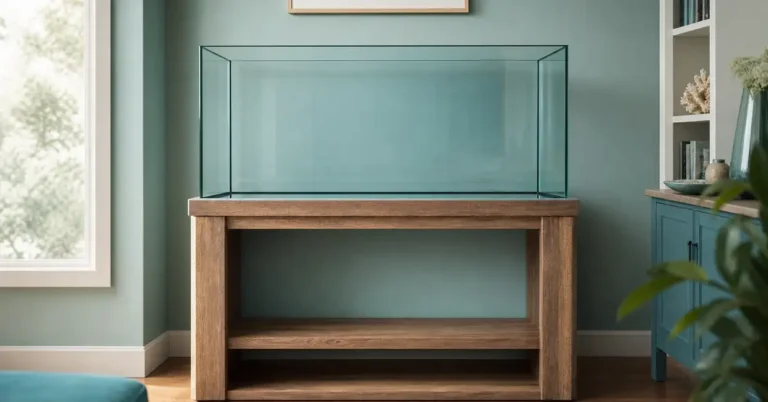
Ten gallons is the size most experienced fishkeepers actually recommend for a first tank — small enough to fit almost anywhere. This guide covers the bare tank itself: glass and acrylic, rimless and framed, for anyone who’d rather choose their own filter, heater and light instead of buying a bundled kit. We spec-verified 9 real […]
-
Betta Fish Care
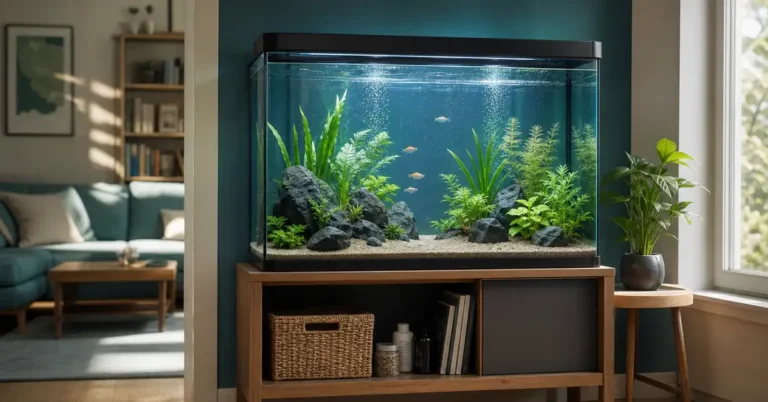
Best Aquarium Kits for Beginners (2026): 11 Honest, All-in-One Picks
An all-in-one starter kit is the easiest honest path into the hobby — a tank, filter, lid and light bundled together so you’re not guessing whether the pieces fit. We researched 11 real kits from 2.5 to 20 gallons, spec-verified what’s actually included against manufacturer documentation, and screened every brand against US CPSC recall records. […]
-
Cycling & Water
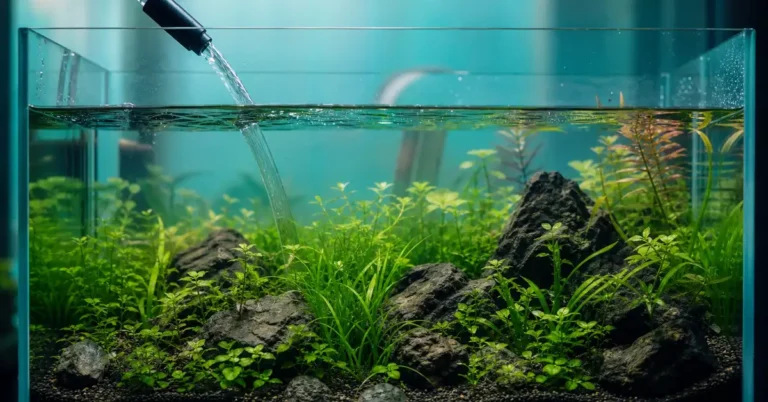
How to Lower Nitrates in a Fish Tank
A water change is the fastest, most reliable way to bring nitrate down right now. Reducing feeding, thinning out overstocking, adding live plants and vacuuming detritus from the substrate are the levers that keep it down long-term. If your tap water itself already tests high for nitrate, no amount of water changing alone will get […]
-
Cycling & Water
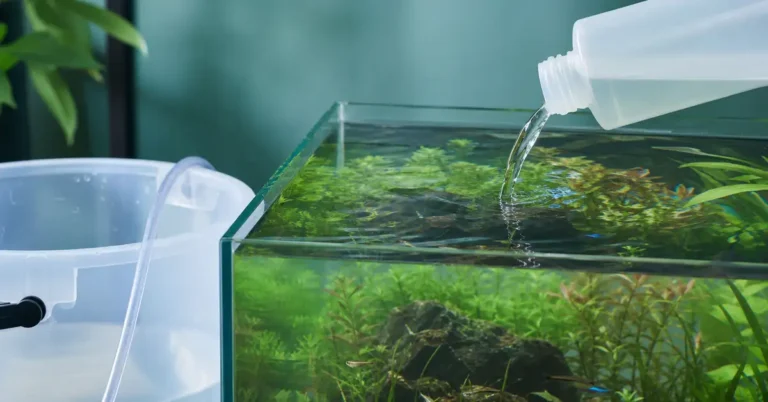
Best Aquarium Water Conditioners (2026): Dechlorinators Compared Honestly
Every fill and every water change needs a dechlorinating conditioner — that part isn’t in dispute. What’s genuinely debated is whether the “ammonia detoxifying” claim on the bottle means what it sounds like. We researched 10 real conditioners, sourced every dosing figure to the manufacturer, and included the more skeptical technical view on ammonia-detox claims […]
-
Cycling & Water
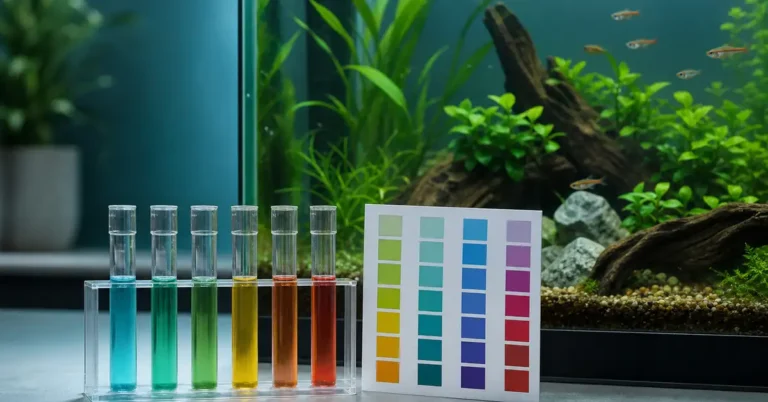
Best Aquarium Test Kits (2026): Liquid, Strips and Digital Compared
For cycling a new tank or investigating a problem, a liquid reagent master test kit is the honest answer — it resolves the low-level ammonia and nitrite readings that matter most, more reliably than dip strips. Strips have a real place for a quick sanity check once you know your tank, and digital checkers offer […]
-
Betta Fish Care
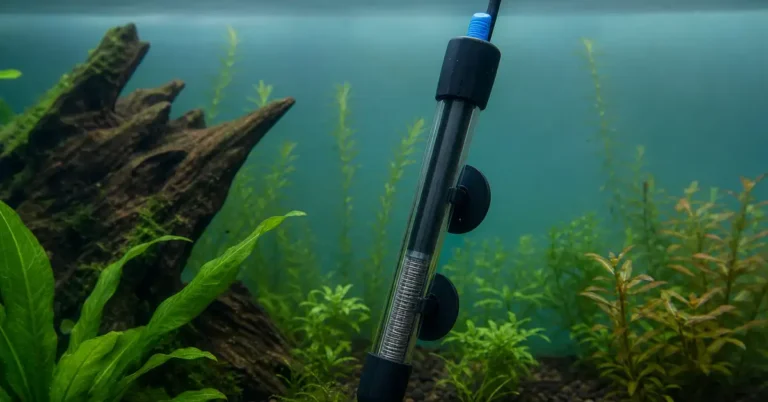
Why Is My Aquarium Heater Not Working? 8 Fixes, Fastest First
The most common cause of a “broken” heater has nothing to do with the unit itself — it’s the power supply. Start there, then work through submersion and placement, before running an isolated bucket test to confirm whether the heating element has actually failed. Confirm any suspected fault with an independent thermometer first, since a […]
-
Cycling & Water
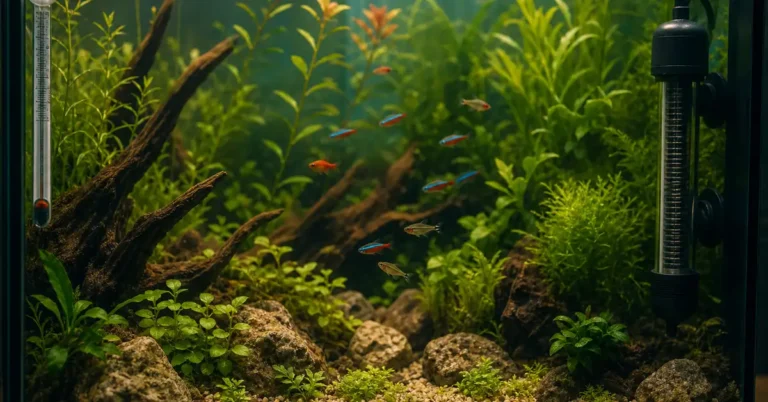
What Temperature Should Your Aquarium Be? A Guide by Fish Type
There’s no single “correct” aquarium temperature — it depends entirely on what you keep. Coldwater goldfish do best at 65–75°F, most tropical community fish want 72–80°F, and warmth-loving species like discus need 82–86°F. Mixing incompatible temperature needs — goldfish with tropical fish is the classic beginner mistake — forces one species into conditions it isn’t […]