Bettas can live with the right tank mates, but “the right tank mates” is a shorter list than most beginner guides suggest. The safest companions are invertebrates (nerite snails, cherry shrimp) and bottom-dwellers (corydoras, kuhli loaches) that stay out of a betta’s territory and don’t resemble a rival betta. Mid-water schooling fish can work in bigger, heavily planted tanks. Cichlids, gouramis, tiger barbs, goldfish and fancy guppies should be avoided altogether. Here’s the honest, species-by-species breakdown.
Quick answer: safe, caution, avoid
| Category | Species | Minimum tank size |
|---|---|---|
| Generally safe | Nerite snails, mystery snails, cherry shrimp, corydoras, kuhli loaches | 5–15 gallons depending on species |
| Can work with caution | Ember tetras, harlequin rasboras, celestial pearl danios, neon tetras, African dwarf frogs, female sororities | 10–20 gallons, heavily planted |
| Avoid | Cichlids, gouramis, tiger barbs, goldfish, fancy guppies, puffers, angelfish, red tail sharks | Not recommended at any size |
New to bettas? Start with our complete betta fish care guide or see our best betta fish tanks if you’re still choosing a tank.
Why compatibility isn’t a simple yes/no
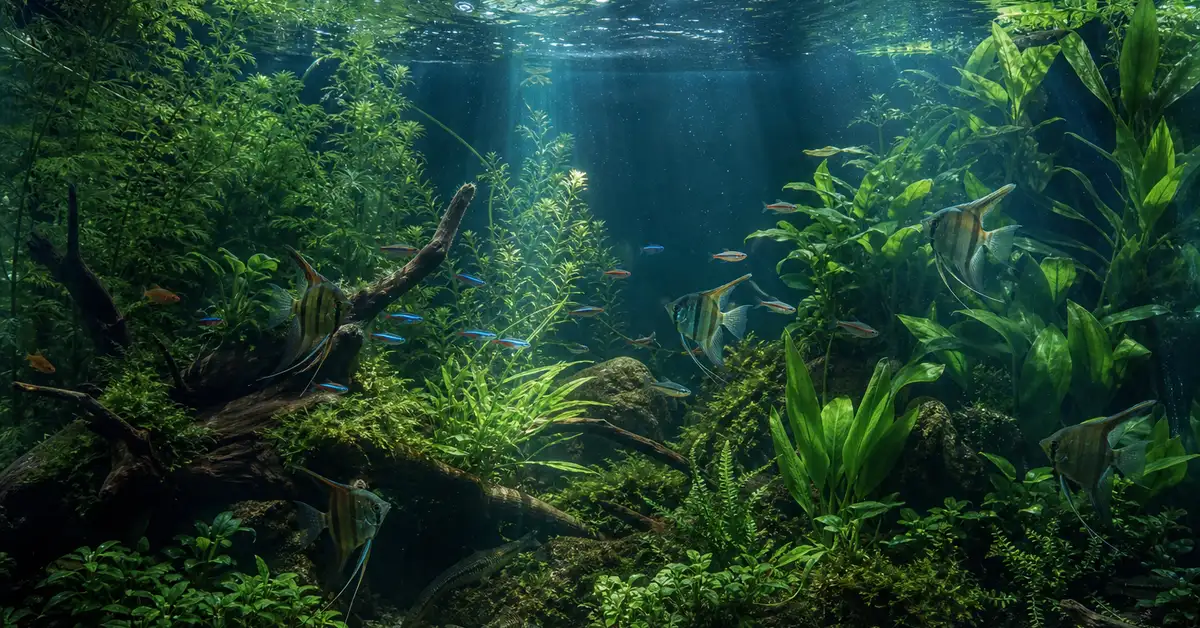
Bettas are labyrinth fish that patrol the upper third of the tank and read visual cues — long fins, bright color, surface-dwelling habits — as signs of a rival. That’s why a fish can be perfectly peaceful in someone else’s community tank and still get attacked by a betta that sees a “rival” every time it swims past. Individual temperament matters enormously: some bettas ignore tank mates entirely, others won’t tolerate anything moving near the surface. Treat every combination below as a probability, not a guarantee, and have a backup plan — a spare container or a divider — ready before you introduce anything.
Invertebrates: the lowest-risk companions
Shrimp
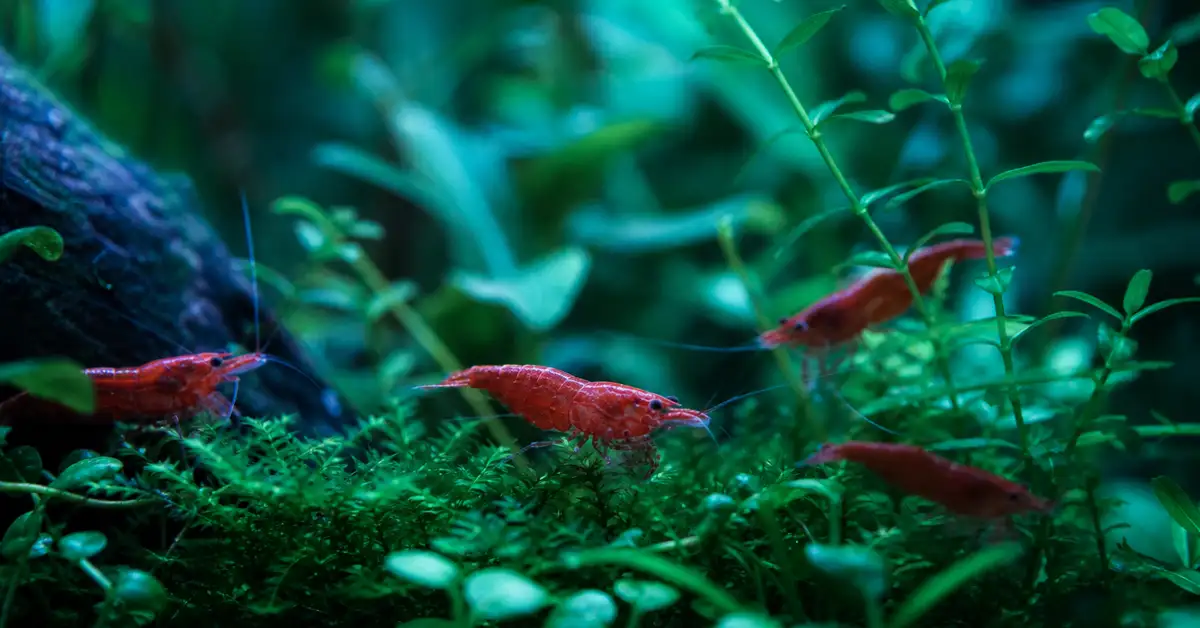
Cherry shrimp are the most commonly recommended shrimp for betta tanks — hardy, prolific breeders that tolerate betta-friendly temperatures in the mid-to-high 70s°F. Expect some predation, especially of juveniles, but a healthy colony in a well-planted 10-gallon tank usually outbreeds the losses. Amano shrimp grow larger and don’t reproduce in freshwater, so losses aren’t replaced — a reasonable trade for their strong algae-eating. Ghost shrimp are cheap and workable but carry more disease risk from bulk wild-caught stock, so quarantine them if you can. Bamboo shrimp are filter-feeders that need steady flow and established, larger (20-gallon+) tanks — not a beginner-tank pairing.
Snails
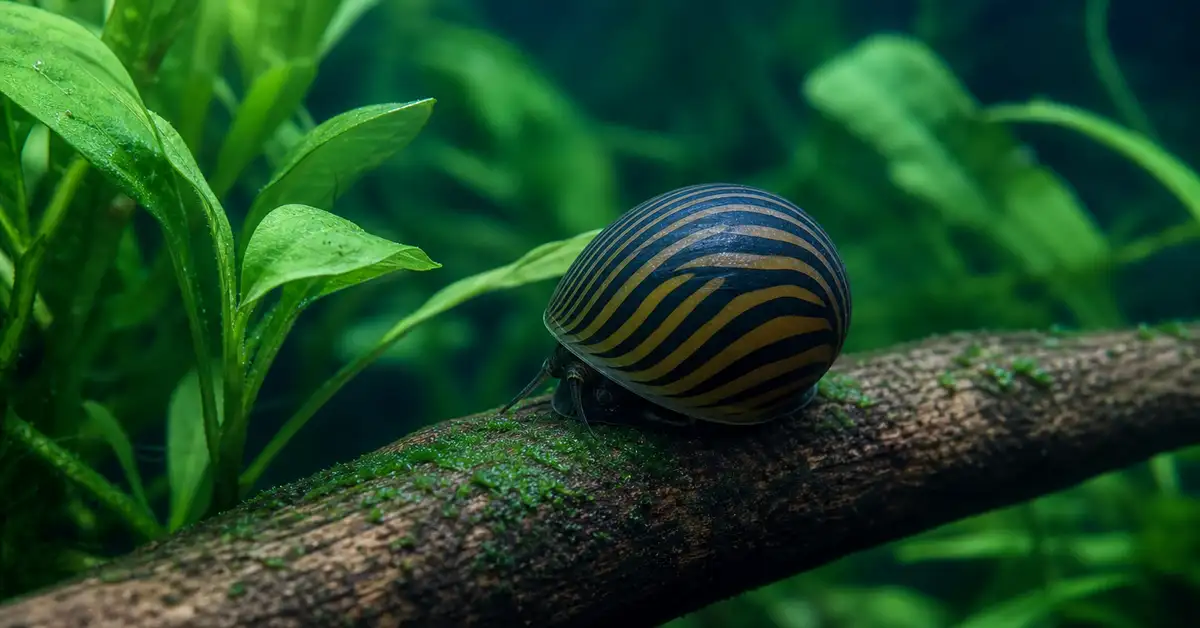
Nerite snails are widely considered the safest snail option: they don’t reproduce in freshwater, so there’s no population explosion to manage, and their hard shell protects them from casual nipping. Mystery snails are similarly docile and can retract fully into their shell, though they will breed if you keep both sexes. Malaysian trumpet snails are useful substrate cleaners but can multiply out of control if overfed — treat them as an advanced, deliberate choice rather than a default pick.
Bottom-dwellers: the most reliable fish companions
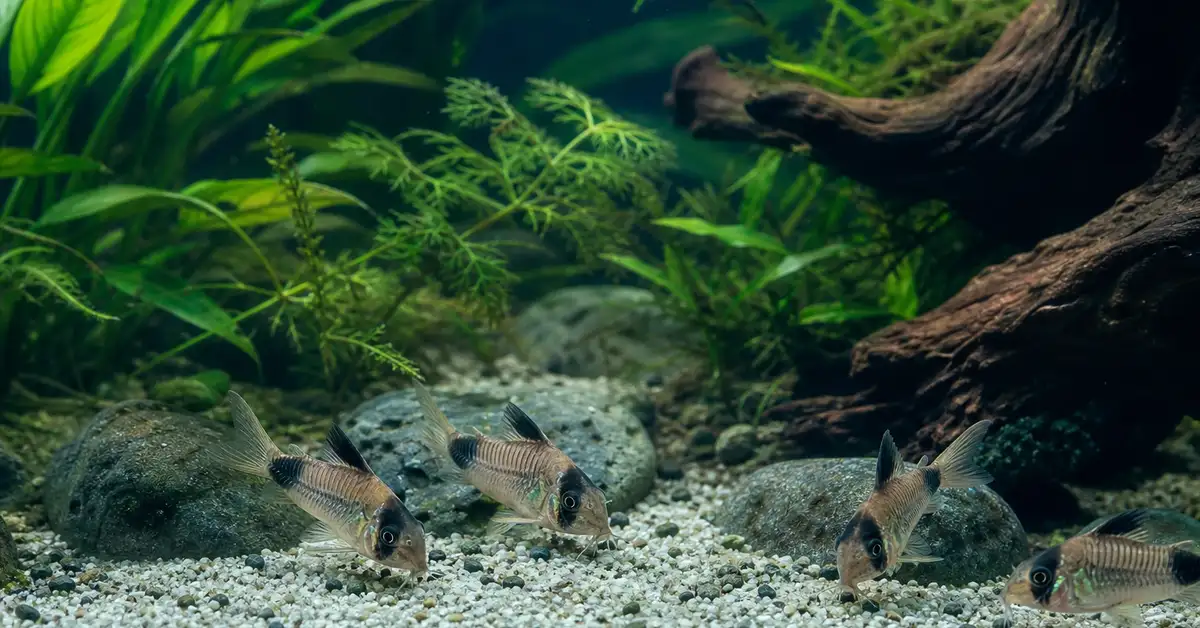
Bottom-dwelling fish occupy a different zone from the betta and are the most consistently recommended fish tank mates. Corydoras catfish (panda, bronze, albino and pygmy varieties) are peaceful schoolers that need groups of at least five and roughly 15 gallons for standard-size species (pygmy corydoras can work in tanks around 10 gallons). Kuhli loaches are nocturnal, slender and shy — they largely avoid the betta entirely by hiding through the day — and do best in groups of three to five in a 20-gallon long tank with soft substrate. Bristlenose plecos are indifferent to bettas and effective algae-eaters, but their bioload and eventual size mean they need at least 20 gallons and solid filtration. Otocinclus catfish can work too, but they’re delicate and need an established tank with existing biofilm — not a brand-new setup.
Mid-water schooling fish: workable, with more caution
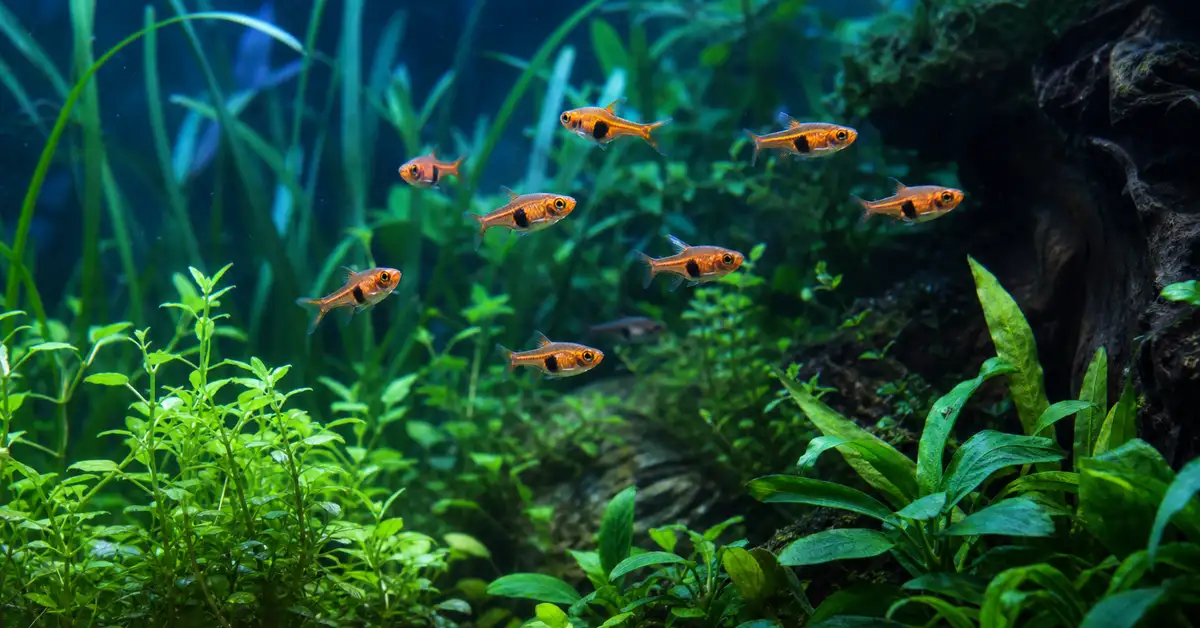
Ember tetras are one of the better mid-water options — small, unassuming, and rarely triggering betta aggression when kept in groups of six or more in a planted 10–15 gallon tank. Harlequin rasboras behave similarly and do well in schools of five or six in a 10-gallon-plus planted tank. Celestial pearl danios (galaxy rasboras) can cohabit successfully with bettas in a 10-gallon planted tank if kept in a large enough group (nine or more) that no single fish gets singled out. Neon tetras are more of a gamble: their bright stripe can read as a rival signal, and they’re occasionally implicated in fin-nipping themselves, so if you try them, use a bigger tank (20 gallons), a full school of six to ten, and dense planting to break sightlines.
African dwarf frogs
Fully aquatic and slow-moving, African dwarf frogs don’t resemble a betta and are sometimes kept successfully together in tanks of 10 gallons or more with plenty of hiding spots. The main risk isn’t aggression so much as competition at feeding time — frogs are slow, clumsy eaters, so keep an eye on whether they’re actually getting fed, not just whether the betta tolerates them.
Female betta sororities: possible, but higher-risk than most guides admit
A “sorority” — a group of four to six or more female bettas in one tank — is presented in some care guides as a natural way to keep multiple bettas together, typically recommending a 10-gallon-plus, heavily planted, long (not tall) tank, with all females added at the same time to avoid an established resident treating newcomers as intruders. In practice, experienced keepers report a meaningfully high failure rate: persistent chasing, torn fins, and a female singled out and bullied to the point of injury are common enough that sororities are best treated as an advanced project, not a beginner one. If you attempt one, go in with a spare tank ready, watch closely for a fish being repeatedly targeted, and be prepared to permanently separate any bully or victim rather than hoping it resolves on its own.
Species to avoid altogether
- Cichlids (including dwarf varieties) — too aggressive and territorial, plus mismatched water/tank needs.
- Gouramis — fellow labyrinth fish that compete directly for surface territory and often fight.
- Tiger barbs — notorious, reliable fin-nippers that can shred a betta’s fins quickly.
- Goldfish — cold-water fish with very different temperature needs and a much heavier bioload.
- Fancy guppies — long, flowing tails are frequently mistaken for a rival betta.
- Puffers — small but predatory and prone to nipping.
- Angelfish and red tail sharks — semi-aggressive, territorial, and generally a poor match for a betta’s temperament.
How much tank size actually matters
Older betta guides often accepted a 10-gallon tank for a modest community. More recent, more conservative guidance favors 20 gallons as the baseline once you’re adding schooling fish or several species together — smaller volumes concentrate territorial stress and leave schooling fish nowhere to retreat. A betta plus a snail or a shrimp colony can still work well in 5–10 gallons. A betta plus corydoras or kuhli loaches is more realistic at 15–20 gallons. A betta plus a proper school of mid-water fish is best planned for 20 gallons or more, ideally in a longer tank that gives horizontal swimming room.
How to introduce tank mates safely
Quarantine new arrivals for several weeks before they go anywhere near your betta tank, and make sure the tank is fully cycled with stable water parameters first. When you’re ready, it often works better to add new tank mates while the betta is temporarily elsewhere — a mason jar or a separate container — so they can settle and claim their own spots before the betta reasserts its territory. Acclimate new arrivals slowly, dim the lights for the first hour or so after everyone’s back together, and watch closely for the first 72 hours: some chasing and posturing as a pecking order settles is normal, but persistent, one-sided harassment is not. If it doesn’t calm down within a few days, separate the fish rather than hoping it improves — some individual bettas simply do better alone.
Frequently Asked Questions
General information only — not veterinary advice. If aggression or injury doesn’t resolve after separating and re-planning your setup, or if a fish shows signs of illness, consult an aquatic veterinarian.
Sources: Chewy: 10 Best Betta Fish Tank Mates · Bettafish.org: 10 Safe Betta Fish Tank Mates · Aquarium Co-Op: Betta Fish Care Guide · The Shrimp Farm: Cherry Shrimp and Betta · FinSwap: Betta Fish and Nerite Snails · Micro Aquatic Shop: Betta Sorority Tank Setup · Sevenports: Top Betta Fish Tank Mates · The Tyedyed Iguana: Betta Community Tank Guide