Setting up a betta tank properly means working through a sequence, not just filling a bowl: rinse everything first, fill and install the heater and filter, condition the water, run a fishless cycle until ammonia and nitrite read zero, then acclimate your betta slowly before it goes in. Skipping steps — especially adding the betta the same day you fill the tank — is the single biggest cause of early betta deaths. Here’s the full sequence, explained honestly, with the reasoning behind each step.
What you’ll need
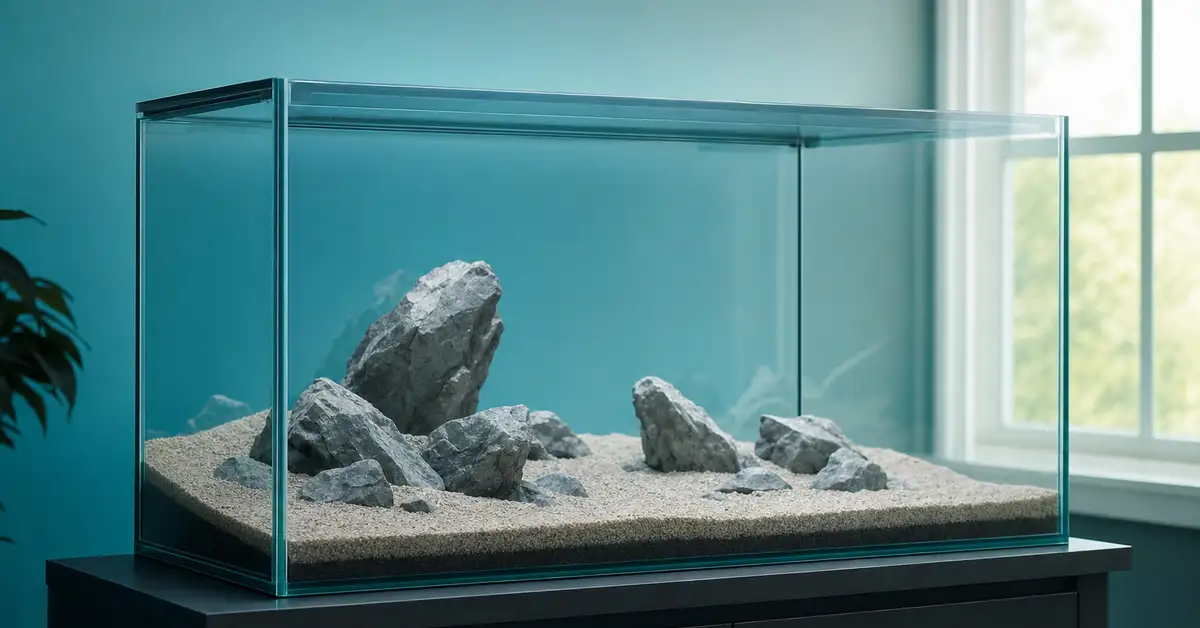
A tank of at least 5 gallons (see our best betta fish tanks guide if you haven’t chosen one), a heater sized for your tank, a gentle-flow filter, a thermometer, dechlorinating water conditioner, substrate and décor of your choice, and either fish food or bottled ammonia for fishless cycling. Live or silk plants make a real difference to how settled a betta feels — our plant and decor picks cover fin-safe options.
Why the order matters
Each step in this guide exists because it protects the next one. New water contains chlorine and chloramine that are toxic to fish and to the beneficial bacteria your filter needs, so conditioner has to go in immediately. A brand-new tank has no bacteria at all to process waste, so adding a betta before the tank has cycled exposes it to ammonia and nitrite spikes — a pattern vets call “new tank syndrome,” and it’s the most common cause of death in freshly set-up aquariums. Skipping acclimation risks temperature or pH shock on top of that. None of this is complicated, but it does take patience — typically a few weeks from empty tank to a betta swimming in it.
1. Rinse the substrate and hardscape
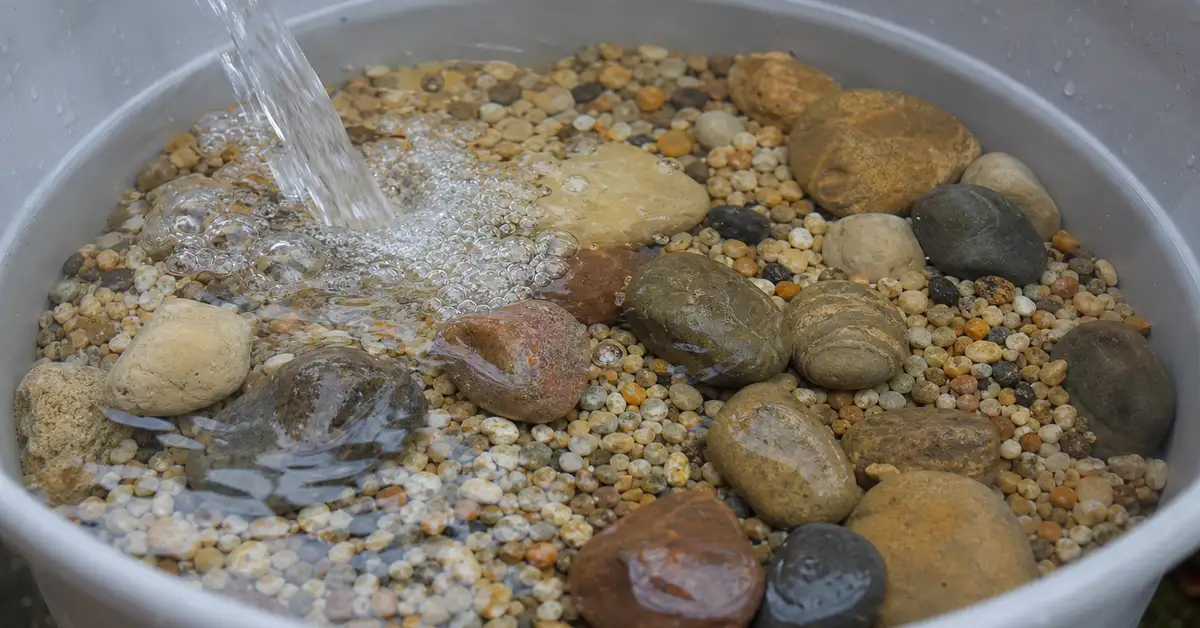
Before anything goes near water, rinse your substrate (gravel, sand, or planted-tank soil) in a clean bucket until the runoff water goes from cloudy to clear — this can take several rinses, especially with sand. Do the same with any rocks, driftwood, ornaments and the filter and heater themselves, since manufacturing dust and packaging residue cling to all of it. Never use soap or detergent on anything that goes in the tank; even trace residue is toxic to fish. Check rocks and hardscape by hand for sharp edges or rough spots that could snag a betta’s fins, and only use ornaments explicitly labeled aquarium-safe.
2. Position and fill the tank
Put the tank on a level, sturdy surface away from direct sunlight, drafts and heating/cooling vents — temperature swings from a nearby window or vent are a common, avoidable stressor. Add your rinsed substrate and arrange hardscape while the tank is still dry, since it’s far easier to adjust the layout now than after filling. Then fill gently — pouring over a plate or your cupped hand breaks the flow so you don’t blast the substrate around — leaving an inch or two of headspace. Don’t add the betta yet; the water is untreated and the tank has no beneficial bacteria.
3. Install and set the heater
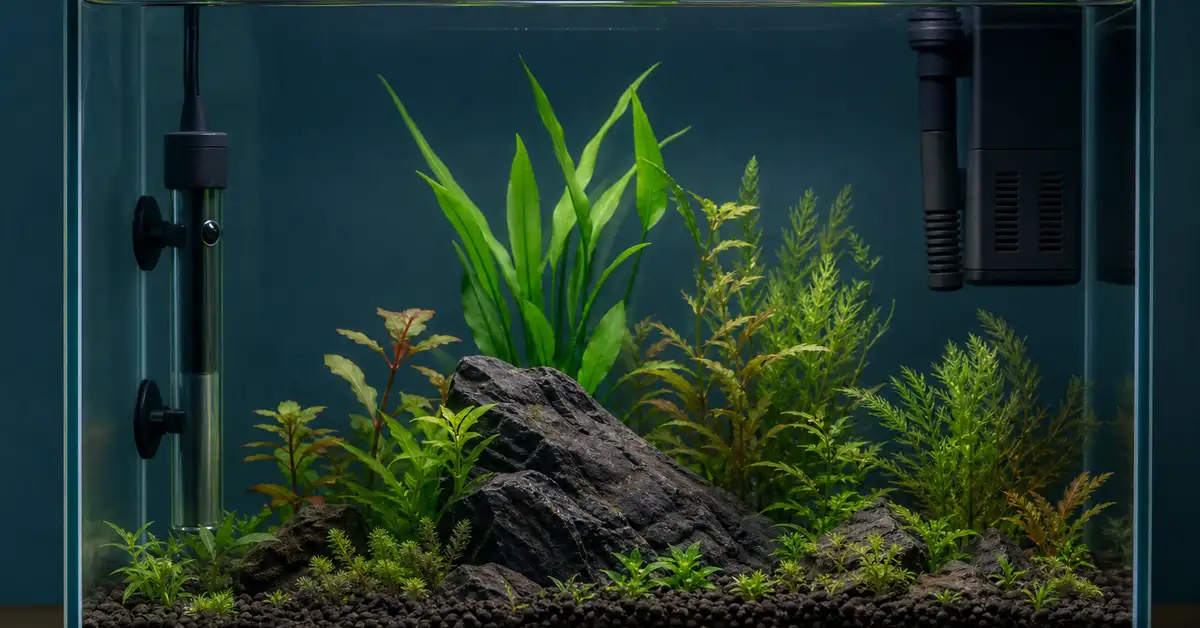
Bettas need stable water in the 76–81°F range, so a properly sized heater (roughly 3–5 watts per gallon of total capacity) is not optional in most US homes. Submerge it fully per the manufacturer’s marked water line, and position it somewhere with good circulation — near the filter outlet works well — so warmed water spreads evenly instead of pooling near the heater. Set the thermostat to around 78°F as a sensible mid-range starting point, then plug it in. It can take several hours to reach target temperature depending on tank size and room temperature. Haven’t chosen one yet? See our best aquarium heaters guide — thermostat accuracy and failure-mode safety matter as much as wattage.
4. Install the filter for gentle flow
Bettas are weak swimmers relative to their fin size, so flow strength matters as much as filtration itself. Sponge filters and small internal or hang-on-back filters with adjustable output are the usual beginner choices, because you can tune them down to avoid pushing your betta around the tank. Follow the manufacturer’s installation steps, position any intake so it draws from mid-water rather than the surface, and aim the outlet so it doesn’t create strong surface agitation. Once running, leave the filter on continuously — even short power-offs can suffocate the bacteria colonizing the media. Our betta care guide covers flow-rate targets in more depth; see our best betta filters roundup for specific picks.
5. Add a thermometer
A stick-on digital strip or a floating glass thermometer both work fine — the point is simply to confirm, independently of the heater’s dial, that the water is actually sitting in the mid-to-upper 70s°F. Give it 10–15 minutes to settle before trusting the reading, and check it daily while the tank is new, since this is your only real check that the heater is doing its job correctly.
6. Condition the water
As soon as the tank is filled, add a dechlorinating water conditioner dosed for your full tank volume — check the label, since concentrations vary (a common betta-specific product calls for ½ teaspoon per gallon). Don’t assume letting water sit out will do the job: chlorine dissipates slowly on its own, but chloramine, which many US municipal supplies now use, does not evaporate and needs to be chemically neutralized. Every future water change needs the same treatment for whatever volume you’re replacing — this isn’t a one-time setup step, it’s a permanent habit.
7. Fishless cycle the tank
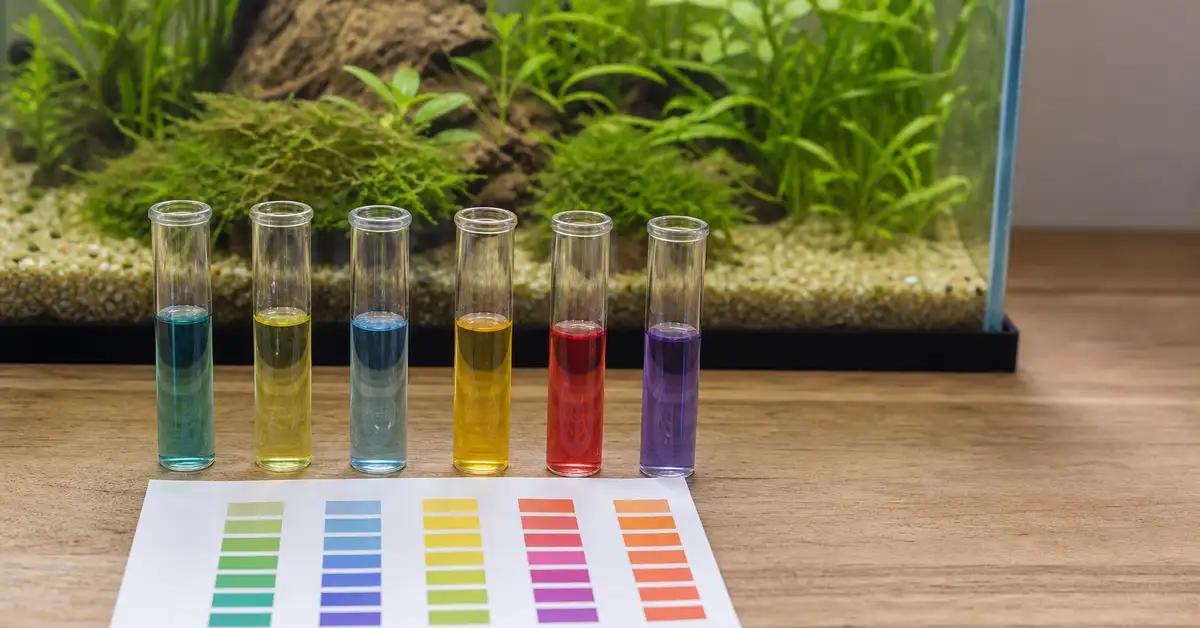
This is the step beginners are most tempted to skip, and the one that matters most. With the tank filled, heated, filtered and conditioned, add a small ammonia source — a pinch of fish food left to decompose, or a few drops of pure bottled ammonia — and test the water every day or two. You’re watching for ammonia to rise then fall, nitrite to rise then fall, and nitrate to appear and hold steady below about 40 ppm. That sequence means nitrifying bacteria have established in your filter media. It typically takes several weeks from a cold start, though seeding with media or gravel from an already-established tank can shorten it considerably. Our full fishless cycling guide walks through testing schedules and troubleshooting in detail — for now, the short version is: don’t add the betta until ammonia and nitrite both read zero on a test kit.
8. Acclimate the betta
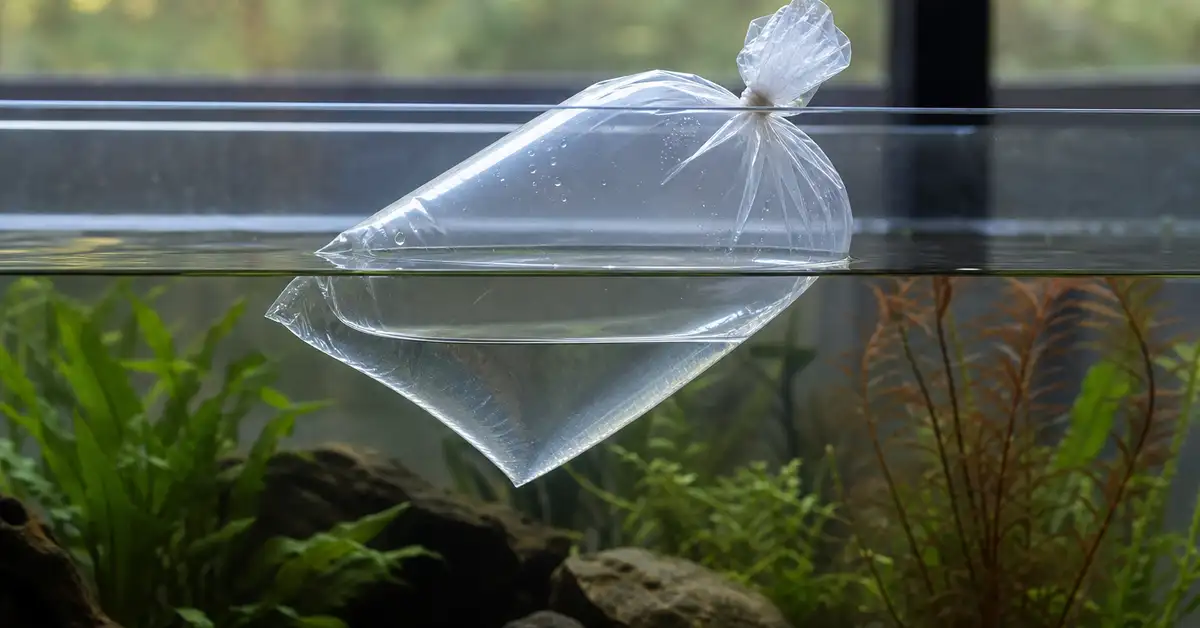
Once the tank has cycled, it’s time to bring your betta home. Float the sealed bag or cup in the tank for 15–20 minutes so temperatures equalize, then start adding small amounts of tank water into the container every five minutes for another 30–60 minutes, so pH and hardness shift gradually rather than all at once. If your tap water and the betta’s transport water differ a lot, drip acclimation — running a slow, knotted airline tube from the tank into the container over 30–60 minutes — gives an even gentler transition. Either way, let the betta swim out into the tank on its own rather than pouring the transport water in with it.
9. Manage the first 24–48 hours
Keep lighting dim or off for the first few hours so your betta can settle without feeling exposed, and resist tapping the glass or hovering. Offer a small pinch of food once a day — it’s completely normal for a newly introduced betta to skip meals for a day or two, and that’s not cause for alarm. Watch for clamped fins, color loss or gasping at the surface, which can signal stress or a water-quality issue, and keep testing ammonia and nitrite daily for the first week or so even in a cycled tank, since the new bioload is a real change for the filter to handle. Avoid the urge to deep-clean anything during this window; gentle spot-cleaning is enough.
Common setup mistakes to avoid
- Adding the betta the same day the tank is filled. This is by far the most common mistake — the tank has no bacteria yet and the water hasn’t been conditioned, so the fish takes the full impact of both problems at once.
- Skipping or under-dosing water conditioner. Letting water “sit out” doesn’t remove chloramine, only chlorine — always dose to your full water volume.
- Pouring the betta straight in without acclimating. Sudden temperature or pH changes can shock a betta even if the tank itself is otherwise fine.
- Deep-cleaning a brand-new or recently cycled tank. Scrubbing every surface or replacing all filter media wipes out the bacteria you just spent weeks establishing.
- Overfeeding in the first week. Uneaten food breaks down into ammonia right when your bacterial colony is still catching up to the bioload.
Frequently Asked Questions
General information only — not veterinary advice. If your betta shows ongoing signs of stress or illness after setup, consult an aquatic veterinarian.
Sources: Aquarium Co-Op: Betta Fish Care Guide · PetMD: New Tank Syndrome · Bettafish.org: How to Acclimate Betta Fish · Aquarium Co-Op: Fish Tank Cycling · API Betta Water Conditioner · Hepper (vet-reviewed): Betta Fish Temperature Shock · Aqueon: Ultimate Fishkeeping Guide