Written by Michael Probert, a research-led fishkeeper — not a lab or an aquatic vet. See our How We Choose methodology. This page is general information, not veterinary or aquatic-health advice, and it does not give treatment or dosing instructions. If you see the signs below, talk to an aquatic veterinarian or a reputable retailer’s fish-health desk, and follow the label of any product you use exactly.
Fin rot — frayed, discolored or eroding fin edges — is one of the most common things a freshwater fishkeeper will see, and one of the easiest to misjudge, because it can mean anything from a healing scuff to a genuine bacterial infection. This page covers what fin rot actually looks like, why water quality is almost always the first question behind it, what equipment is worth having on hand before you need it, and when to bring in a vet or a retailer’s fish-health desk rather than guessing. It does not tell you what to dose or how long to treat — that decision belongs to a product label and, ideally, a professional.
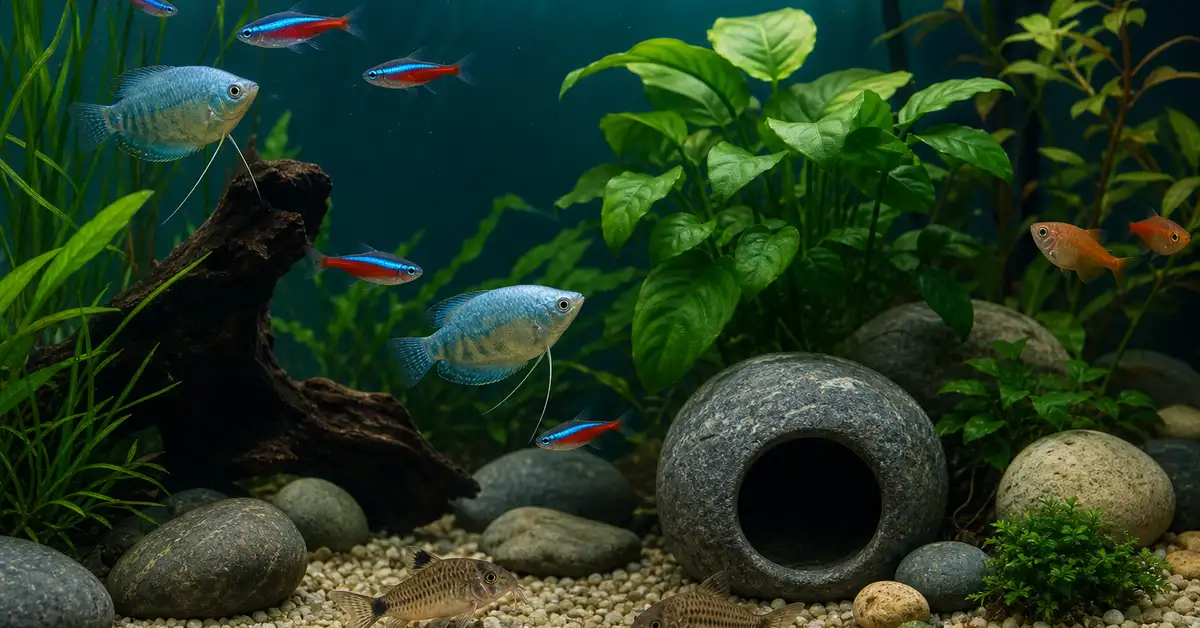
What fin rot actually looks like
“Fin rot” describes a pattern — fraying, uneven margins, discoloration, and gradual erosion of the fin edge — rather than one specific pathogen. The single most useful distinction is mild versus advanced. Mild fin rot is limited to the fin edges: fraying, a ragged or discolored margin, maybe a thin white or pink line at the leading edge, with no redness at the base of the fin and no other signs of illness. Advanced fin rot has progressed to the base of the fin (often visibly red or inflamed where the fin meets the body), has produced ulcers or lesions on the body itself, or comes with a fish that’s lethargic, not eating, or breathing heavily — that combination is a sign of a real risk the infection is becoming systemic, and it’s the point where this stops being something to watch at home.
It’s also worth ruling out a purely traumatic tear before assuming infection: ornate-finned fish, especially long-finned bettas and fancy goldfish, tear their fins on sharp decor, filter intakes, or each other far more often than they develop a genuine infection. A traumatic tear usually has a clean or slightly ragged edge with no discoloration and no redness, and it tends to improve steadily on its own over a week or two in clean, stable water. True fin rot instead shows a progressively receding, often discolored or blackened margin that keeps getting worse rather than healing. If you’re not sure which you’re looking at, the observations on this page and a conversation with a vet or retailer are the way to find out — not a guess.
If your tank is new, recently uncycled, or already unstable, fin rot is worth treating as a signal to check the basics; our fishless cycling guide and water parameters reference cover the numbers a vet or retailer will likely ask about. Fin rot and ich are also commonly confused with each other early on — if you’re seeing white spots rather than fin fraying, see our white spot (ich) guide instead.
Why it’s almost always a water-quality problem first
According to the Merck Veterinary Manual, the bacteria most often isolated from affected fish are Aeromonas and Pseudomonas species: opportunistic, gram-negative organisms that are normal residents of freshwater aquaria and only become a problem when a fish’s fins are already compromised by physical damage, chronic stress, or poor water quality. A secondary fungal infection can follow the same route once bacteria have broken down the tissue, which is why some cases involve both at once. This is exactly why water quality, not a bottle of medication, is usually the first thing a vet or a knowledgeable retailer will ask about: because the underlying cause is so often environmental, the questions worth answering before anything else are about ammonia, nitrite, nitrate and stocking — not about which product to reach for.
That’s also why this page doesn’t walk through a water-change schedule or a dosing protocol: the right correction depends on your tank’s actual readings, and a vet or retailer can help you interpret them. What’s worth doing yourself first is testing — see our water parameters guide for safe targets — so you have real numbers to bring to that conversation rather than a guess.
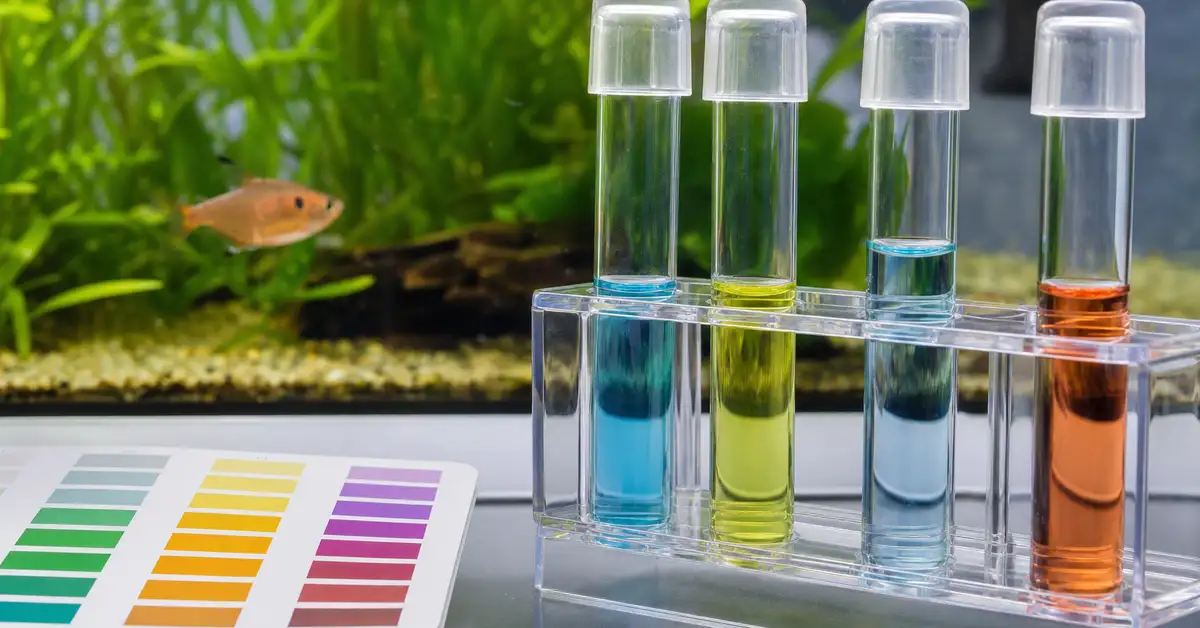
What to watch for as it progresses
Keep an eye on whether the fin edge is spreading, staying the same, or improving, and note any change in appetite or breathing — these are the observations worth describing to a vet or a knowledgeable retailer, since they shape what happens next. A fish that stops eating entirely, shows heavy or labored breathing, or develops redness or swelling at the base of the fin or ulcers on the body needs professional attention rather than continued at-home observation. That combination signals a real risk of the infection becoming systemic, which the Merck Veterinary Manual and FishVet.com both note can follow if damaged fin tissue goes uncorrected.
Setting up a quarantine tank, before you need one
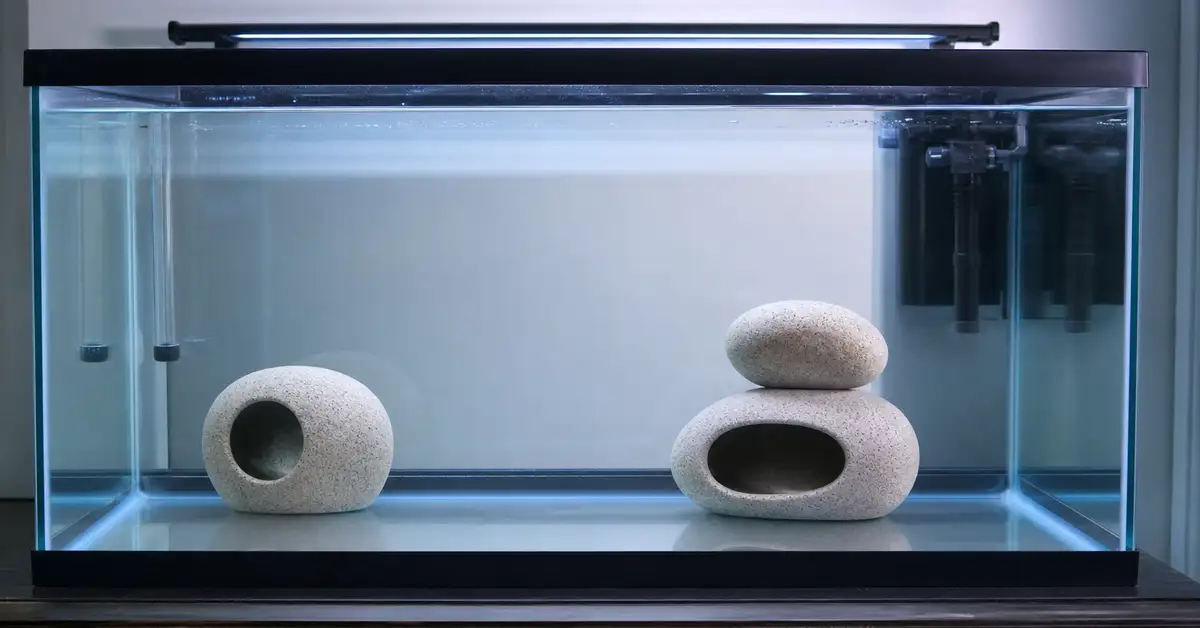
A separate quarantine or hospital tank makes it far easier to observe an affected fish closely, protects tankmates and any live plants or invertebrates from unnecessary exposure if a vet or retailer does recommend a product, and lets you control water conditions independently. The equipment worth having ready, rather than sourcing in a panic:
- A reliable heater sized for the quarantine tank’s volume, so temperature stays stable regardless of what a vet or label eventually recommends.
- A simple sponge filter — gentle, doesn’t trap fry or weak fish against an intake, and easy to keep cycled by rotating it through your main tank’s water periodically.
- An independent thermometer — don’t rely on a heater’s dial; see our aquarium thermometer guide for what to look for.
Inspect decor for sharp edges or rough plastic plants that could be snagging fins, check that filter intakes are covered or baffled, and watch tankmates for nipping or bullying — a fish that’s constantly re-injured will keep showing fresh damage no matter how good the water is.
A note for betta owners
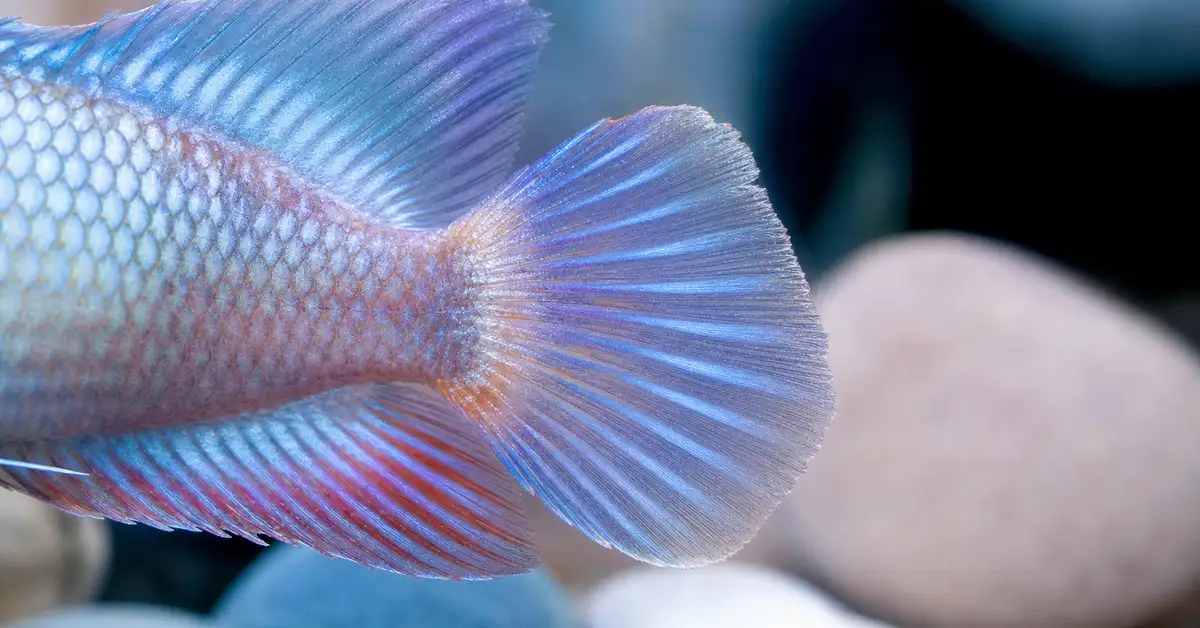
Fin rot is searched about bettas more than any other fish, mostly for practical rather than biological reasons: long-finned betta varieties have elaborate, delicate fins that snag easily on sharp or rough decor, filter intakes, and even boisterous tankmates, and bettas are frequently kept in smaller, sometimes unheated setups where water quality is harder to keep stable. The underlying biology is exactly the same for a betta as for any other fish — there’s no betta-specific bacterium, and nothing on this page changes for a betta beyond what’s already true of any fish with fin damage. What is genuinely betta-specific is prevention: smooth, rounded, “betta-safe” decor and silk or live plants instead of stiff plastic ones, a properly heated and filtered tank rather than an unheated bowl, and gentle water flow all reduce the mechanical damage that gives fin rot an opening in the first place. A torn fin on a betta will not stitch itself back together instantly — expect gradual regrowth over weeks in clean, stable water, the same timeline as any other fish.
What to ask a vet or your retailer’s fish-health desk
Because the right response depends on how advanced the fin rot is, what’s likely caused it, and your tank’s specific stock, those are decisions for an aquatic veterinarian or a reputable retailer’s fish-health desk — not this page. Questions worth bringing to that conversation: whether what you’re seeing is consistent with mild, water-quality-driven fin rot or something more advanced; which product, if any, is appropriate for your tank’s stock (some treatments are commonly reported to be harmful to shrimp, snails and other invertebrates, and manufacturers generally advise against dosing a tank that contains them); and how to confirm the fin has actually stopped receding rather than just looking stable for a few days. Buy any product from a real retailer and follow that product’s own label exactly — concentrations and schedules differ by brand, and this page does not recommend one.
Preventing the next flare-up
Recurring fin rot is usually a sign the underlying water-quality or stocking issue was never actually fixed, not bad luck. Keep testing water on a regular schedule rather than only when something looks wrong, re-check decor and tankmates for ongoing sources of physical damage, confirm your tank is genuinely finished cycling if it’s new (see our cycling guide), and quarantine any new fish for two to four weeks before adding them to a tank that’s had a recent outbreak.
Common mistakes
- Assuming it’s an infection before ruling out a healing tear. A clean tear from decor or a tankmate usually just needs clean, stable water and time to heal on its own.
- Treating water-quality correction as optional. It’s usually the actual first-line factor, whatever a vet or retailer ultimately recommends alongside it.
- Guessing at a product instead of asking. Concentrations, invertebrate safety and species-specific cautions vary by brand — that’s exactly what a label and a professional are for.
- Ignoring redness at the fin base or a fish that’s off its food. Those are signs worth describing to a vet or retailer promptly, not waiting out.
- Reverting to old maintenance habits once the fin looks better. If the underlying water-quality issue isn’t actually fixed, fin rot usually comes back.
Frequently Asked Questions
General information only, not veterinary or aquatic-health advice, and not treatment or dosing instructions. If you see the signs above, consult an aquatic veterinarian or a reputable retailer’s fish-health desk, and follow the label of any product you use exactly.
Sources: Merck Veterinary Manual: Bacterial Diseases of Fish · Merck Veterinary Manual: Disorders and Diseases of Fish · FishVet.com: Fin Rot in Pet Fish · PetPlace: How to Tell If Your Fish Are Sick · Chewy: Betta Fish Fin Rot · UF/IFAS Tropical Aquaculture Laboratory: Disease Diagnostic Services