Written by Michael Probert, a research-led fishkeeper — not a lab or an aquatic vet. See our How We Choose methodology. This page is general information, not veterinary or aquatic-health advice, and it does not give treatment or dosing instructions. If you see the signs below, talk to an aquatic veterinarian or a reputable retailer’s fish-health desk, and follow the label of any product you use exactly.
Ich (white spot disease, caused by the parasite Ichthyophthirius multifiliis) is one of the most common freshwater aquarium ailments — and one of the most misunderstood, because the parasite spends most of its life cycle hidden from anything in the water. That’s why outbreaks seem to linger, and why the spots you can see aren’t the whole story. This page covers what ich actually looks like, why its life cycle makes it confusing to watch, what equipment is worth having on hand before you need it, and when to bring in a vet or a retailer’s fish-health desk rather than guessing. It does not tell you what to dose or how long to treat — that decision belongs to a product label and, ideally, a professional.
What ich actually looks like
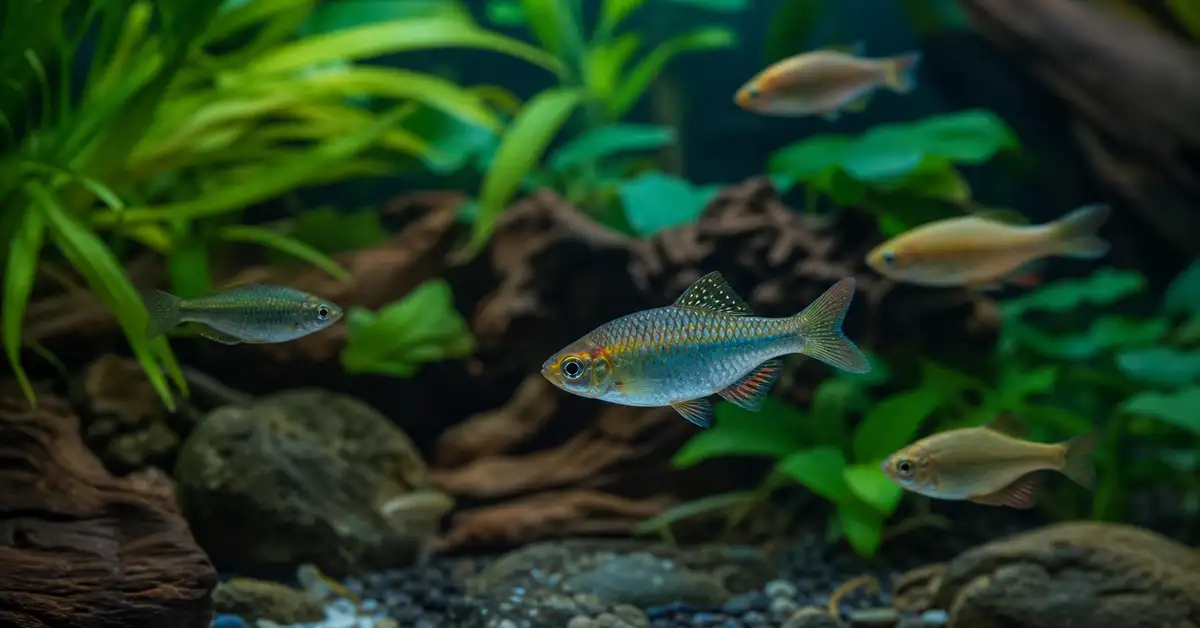
Classic ich shows as distinct, evenly-spread white spots about the size of a grain of salt or sugar, on the fins, body, and sometimes gills — often alongside flashing (fish scraping against decor or substrate), clamped fins, hiding, reduced appetite, and, in advanced cases, labored breathing. It’s worth ruling out fungal infections before assuming ich: fungus tends to show up as fuzzy, cotton-like white-to-brown patches rather than discrete round spots. If the pattern doesn’t clearly match — irregular patches, spots confined to one area rather than spread out, or anything on the eyes — treat this as uncertain and get a second opinion rather than assuming.
Why ich seems to linger (it isn’t actually standing still)
Ichthyophthirius multifiliis is a large ciliated parasite with a three-stage life cycle, and only one of those stages is exposed to anything in the water column. According to the University of Florida’s UF/IFAS Extension (Francis-Floyd, 2026) and the Merck Veterinary Manual, the parasite spends part of its life as a trophont — embedded under a fish’s skin and gills, feeding, and physically protected by the fish’s own tissue and mucus. This is the stage you see as white spots. Eventually the trophont drops off into the substrate and becomes a tomont, an encysted stage that divides and produces hundreds of new parasites. Those hatch into theronts — free-swimming and infective. If a theront doesn’t find a new fish within roughly 24–48 hours at tropical temperatures, it dies; if it does, it burrows in within minutes and the cycle starts again.
This life cycle is why the spots you can see today don’t reflect what’s happening in the water: fish can appear to improve and then show fresh spots days later, because new parasites are hatching on a cycle rather than all at once. UF/IFAS puts the full cycle at roughly three to six days at 75–79°F, and considerably longer at cooler temperatures. That timing detail matters for whatever a product label or a vet tells you to do — but it isn’t something this page will translate into a dosing schedule.
What to watch for as an outbreak progresses
Keep an eye on whether spots are spreading, staying the same, or clearing, and note any change in appetite or breathing — these are the observations worth describing to a vet or a knowledgeable retailer, since they shape what happens next. A fish that stops eating entirely, shows heavy or labored breathing, or develops extensive skin damage or open sores beyond simple spots needs professional attention rather than continued at-home observation. The Merck Veterinary Manual notes that unmanaged outbreaks can progress to significant gill damage and secondary bacterial infection — that’s a genuine emergency, not a wait-and-see situation.
Setting up a quarantine tank, before you need one
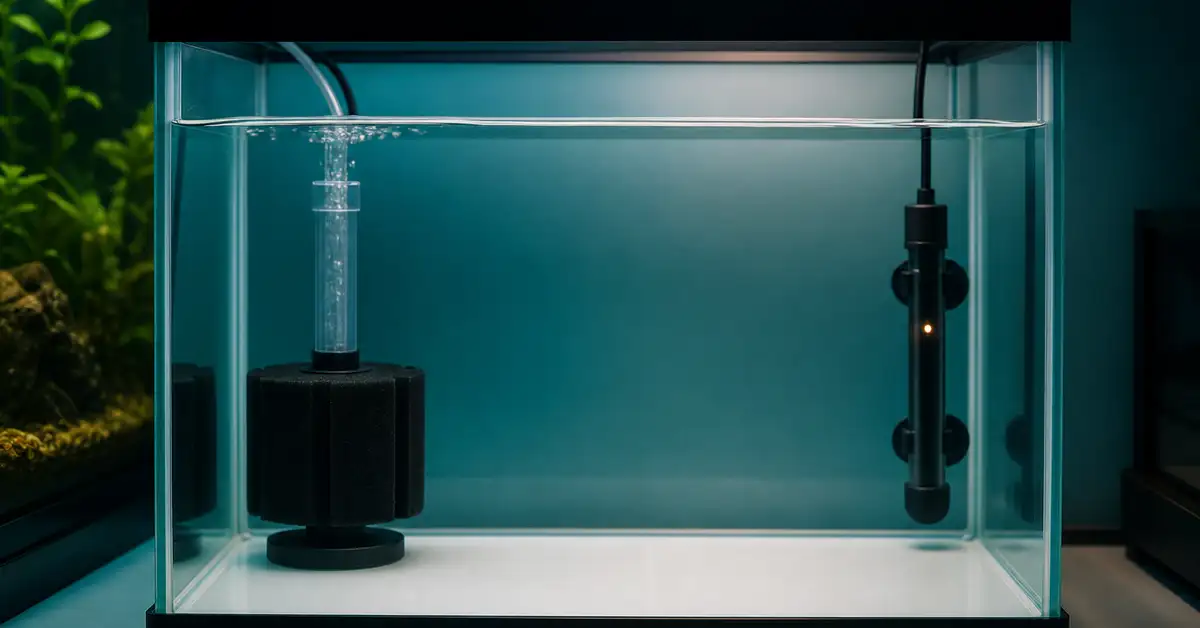
A separate quarantine or hospital tank makes it far easier to observe a sick fish closely, keep your display tank’s plants and any invertebrates away from anything you or a vet later decide to use, and control water conditions independently. The equipment worth having ready, rather than sourcing in a panic:
- A reliable heater sized for the quarantine tank’s volume, so temperature stays stable regardless of what a vet or label eventually recommends.
- A simple sponge filter — gentle, doesn’t trap fry or weak fish against an intake, and easy to keep cycled by rotating it through your main tank’s water periodically.
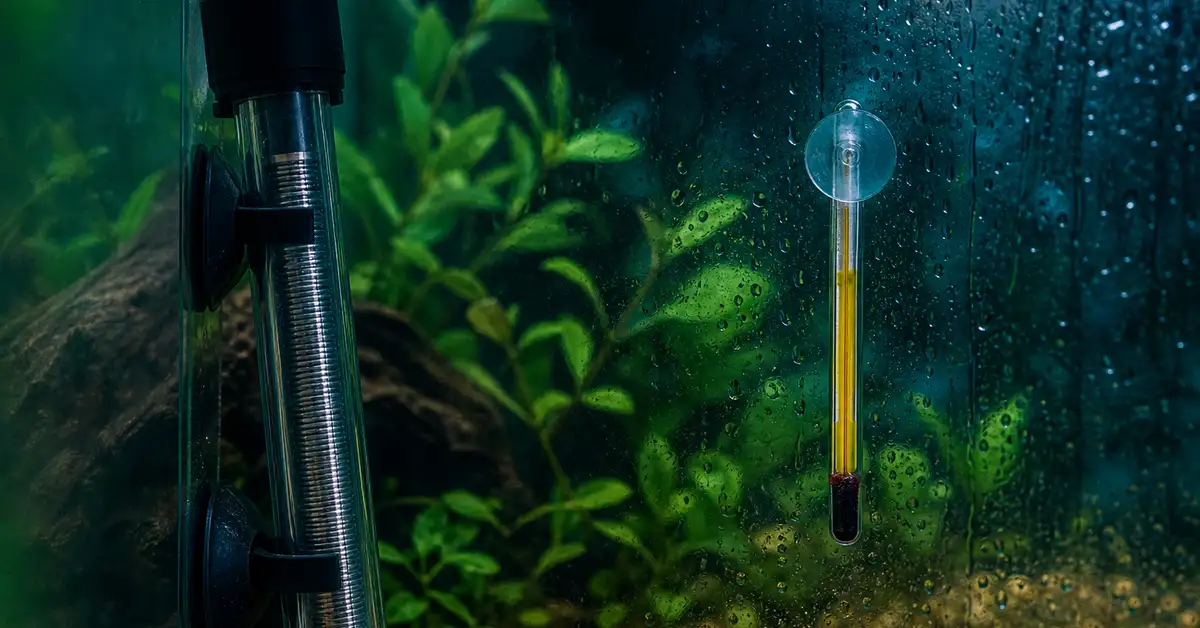
- An independent thermometer — don’t rely on a heater’s dial; see our aquarium thermometer guide for what to look for.
Vacuum the substrate in the main tank if you can, since debris and detritus can harbor cysts, and make sure surface agitation or aeration is adequate — a sick tank holds less dissolved oxygen than a healthy one. Never move nets, siphons, or décor between a quarantine tank and your display without disinfecting them first.
What to ask a vet or your retailer’s fish-health desk
Because dosing, temperature adjustment and treatment duration all depend on the specific product, the fish species involved, and how advanced the outbreak is, those are decisions for a product’s own label and, ideally, an aquatic veterinarian or a reputable retailer’s in-house fish-health advice — not this page. Questions worth bringing to that conversation: which product is appropriate for your tank’s stock (some treatments are documented as unsafe for shrimp, snails, and other invertebrates, and some species — scaleless fish among them — need adjusted approaches); whether your species can safely tolerate any recommended temperature change; and how to confirm an outbreak is actually resolved rather than just quiet for a few days, given how the parasite’s life cycle works. Buy any product from a real retailer and follow that product’s own label exactly — concentrations and schedules differ by brand, and this page does not recommend one.
Preventing the next outbreak
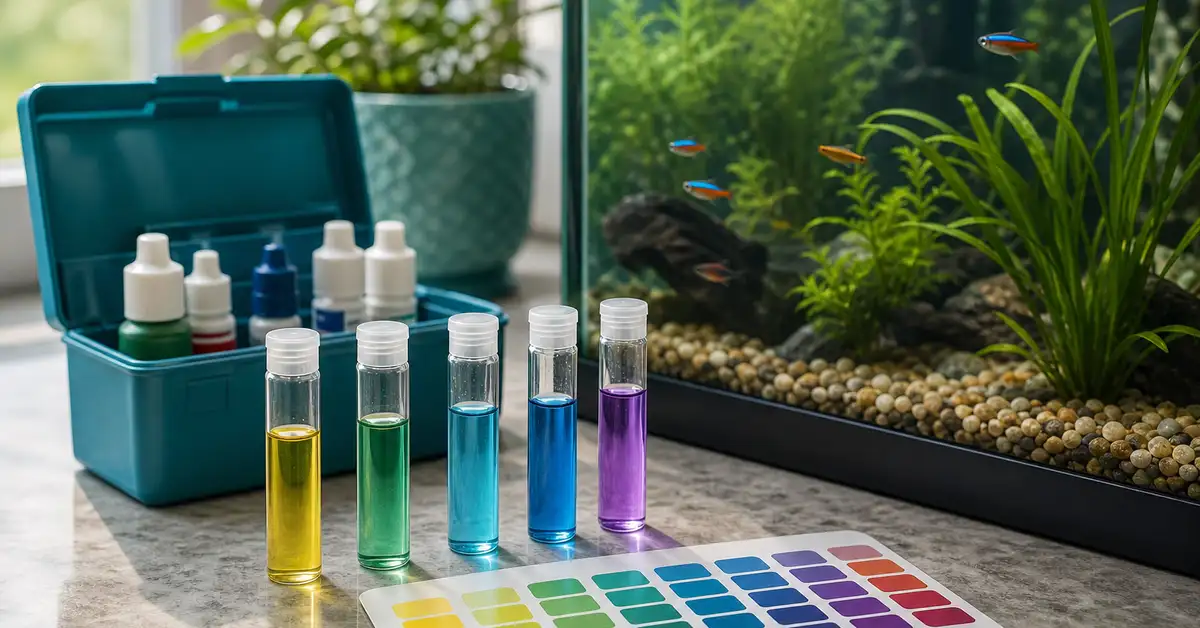
Ich is usually introduced by an unquarantined new fish, and outbreaks are worse in tanks already under stress — a new or uncycled tank, unstable ammonia/nitrite, temperature swings, or overcrowding all make an outbreak more likely and more severe. Quarantine every new arrival for two to four weeks in a separate tank before adding it to your display, and keep testing water during that window rather than assuming a healthy-looking fish is parasite-free. Make sure your tank is genuinely finished cycling before stocking — see our how to cycle a fish tank guide — and keep ammonia and nitrite at a stable zero using our water parameters reference. Overcrowding adds stress on top of bioload; our stocking framework guide and our best fish for a 10-gallon tank, 5-gallon and beginner stocking guides all cover realistic bioloads for common tank sizes.
Common mistakes
- Assuming the outbreak is over because spots disappeared. The parasite’s life cycle means fresh spots can appear days after the visible ones clear — that pattern is worth describing to a vet or retailer, not managing on your own timeline.
- Skipping quarantine for new arrivals. An unquarantined fish is the most common way ich enters a tank in the first place.
- Mistaking fungus for ich (or vice versa). Fuzzy, cotton-like patches usually mean fungus, not the discrete round spots of ich, and need a different conversation with a professional — if the fuzz is on the fin edges rather than the body, see our fin rot page instead.
- Not having quarantine equipment ready. Sourcing a heater, filter and thermometer while a fish is already sick adds delay at the worst time.
- Guessing at product choice or dosing instead of asking. Concentrations, safety for invertebrates, and species-specific cautions vary by product — that’s exactly what a label and a professional are for.
Frequently Asked Questions
General information only, not veterinary or aquatic-health advice, and not treatment or dosing instructions. If you see the signs above, consult an aquatic veterinarian or a reputable retailer’s fish-health desk, and follow the label of any product you use exactly.
Sources: UF/IFAS Extension: Ichthyophthirius multifiliis (White Spot) Infections in Fish · Merck Veterinary Manual: Parasitic Diseases of Fish · ScienceDirect: Ichthyophthirius multifiliis Overview · PetPlace: Ich (White Spot Disease) · Chewy: Ich Fish Disease (White Spot)